Emergency Fund: How Much Should You Save?
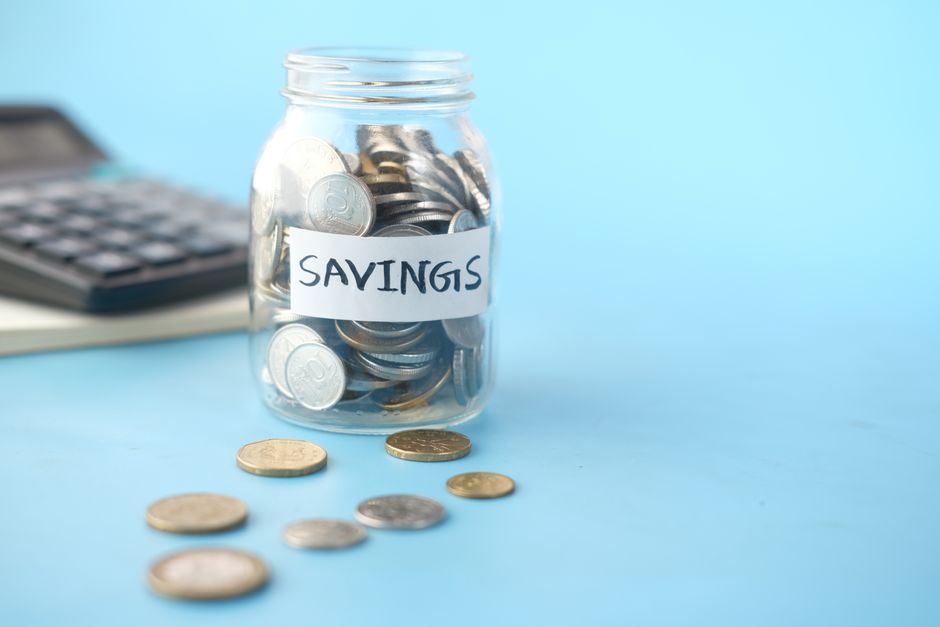
An emergency fund serves as a financial buffer designed to cover unexpected expenses or income disruptions. Common examples include medical bills, car repairs, or temporary job loss. The purpose of such a fund is not to generate wealth but to provide liquidity and stability during unforeseen circumstances. Determining the appropriate amount to set aside depends on several personal factors, primarily your monthly expenses and individual risk profile.
Financial professionals often suggest a range based on living costs, but the exact figure varies. This article explores the reasoning behind different savings targets, how to calculate a suitable amount, and where to keep these funds to ensure they remain accessible when needed.
Understanding the Role of an Emergency Fund
An emergency fund acts as a self-insurance mechanism, reducing the need to rely on credit cards or loans during a crisis. Without such a reserve, individuals might face high-interest debt or be forced to liquidate long-term investments at inopportune times. The fund is meant to cover essential living expenses—such as housing, utilities, food, and transportation—when regular income is interrupted.
The size of the fund should reflect the stability of your income and the predictability of your expenses. For example, someone with a steady government job may require a smaller buffer than a freelancer with fluctuating earnings. Additionally, factors like health, dependents, and the condition of your vehicle or home can influence the likelihood of unexpected costs.
In general, personal finance guidelines suggest saving anywhere from three to six months of living expenses. However, some situations warrant a larger cushion, while others may suffice with less. The key is to align the fund with your unique circumstances rather than following a one-size-fits-all number.
Calculating Your Monthly Expenses
To determine a target amount, start by calculating your essential monthly expenses. These are the costs necessary to maintain your current standard of living, excluding discretionary spending like entertainment or dining out. Essential categories typically include rent or mortgage, utilities, groceries, transportation, insurance premiums, and minimum debt payments.
One method is to review your bank statements over the past three to six months to identify average monthly spending in these categories. Alternatively, you can use budgeting apps or spreadsheets to track expenditures. Be thorough and realistic; underestimating expenses can leave you underprepared.
Once you have your monthly total, multiply it by the number of months you wish to cover. For instance, if your essential expenses are $3,000 per month, a six-month fund would be $18,000. This calculation provides a concrete starting point, but adjustments may be necessary based on your risk tolerance and job security.
Determining the Right Number of Months
The commonly cited range of three to six months is based on the average duration of unemployment and the time needed to recover from financial shocks. However, these benchmarks are not universal. For individuals with high job stability, such as tenured professors or unionized workers, three months may be adequate. Conversely, those in volatile industries or with irregular income might benefit from a larger reserve, such as nine to twelve months.
Additionally, consider your support network. If you have access to family assistance, a secondary income, or unemployment benefits, you might feel comfortable with a smaller fund. On the other hand, if you are the sole breadwinner or have dependents, a more substantial buffer provides peace of mind.
Another factor is the stage of your career. Early-career professionals might anticipate higher future earnings and can afford a smaller fund, while those nearing retirement may want to protect against sequence-of-returns risk. Ultimately, the right number is a personal decision that balances preparedness with opportunity cost, as funds held in cash may forfeit potential investment growth.
Where to Keep Your Emergency Fund
Accessibility is crucial for an emergency fund. The funds should be easily withdrawable without penalties or significant delays. A standard checking account offers immediate access but typically earns little to no interest. A better option is a high-yield savings account, which provides higher interest rates while still allowing quick transfers to checking accounts.
Money market accounts are another possibility, offering check-writing privileges and typically higher yields than savings accounts. However, they may require higher minimum balances. Certificates of deposit (CDs) are not recommended for emergency funds because they lock your money for a fixed term, and early withdrawal often incurs penalties.
Keep the emergency fund separate from your everyday accounts to reduce the temptation to dip into it for non-emergencies. Many banks allow you to label accounts, which can help clarify the purpose. Since emergency funds are typically held for years, even a modest interest rate can make a difference over time, so compare options to maximize returns without sacrificing liquidity.
Building and Maintaining Your Fund
Accumulating an emergency fund requires a systematic approach. Start by setting a monthly savings goal, perhaps by automating transfers from your checking to savings account on payday. Even small amounts add up over time. Consider redirecting windfalls, such as tax refunds or bonuses, directly into the fund.
Once you reach your target, the fund is not static. Reassess your expenses and savings goal annually or when significant life changes occur, such as a new job, marriage, or purchase of a home. If you use a portion of the fund, prioritize replenishing it as soon as possible.
An emergency fund is not an investment; it is a safety net. Therefore, its primary objective is capital preservation and liquidity. While the funds will decline in purchasing power due to inflation, the cost of potential high-interest debt or forced asset sales typically outweighs this. Periodic reviews and adjustments help ensure the fund remains aligned with your needs.
An emergency fund is not about what you expect to happen, but about being prepared for what you cannot predict. Its value lies in the stability it provides during uncertain times.
Special Considerations for Irregular Income
Individuals with variable income, such as freelancers, commission-based workers, or small business owners, face unique challenges in emergency savings. Their monthly expenses may be relatively stable, but cash flow fluctuates. For them, a larger emergency fund—possibly equal to six to twelve months of essential expenses—provides a cushion during low-income periods.
Moreover, they should account for tax obligations and health insurance premiums, which might be paid quarterly or annually. Planning for these irregular expenses helps avoid using the emergency fund for anticipated costs, thereby preserving it for true emergencies.
Another strategy is to base the fund on a worst-case scenario, such as a prolonged drought of work. While this requires more discipline to accumulate, it offers greater peace of mind. Tracking income over several years can help project realistic low-income months, making the savings goal more accurate.
Conclusion
Determining the right size for your emergency fund is a personal calculation based on your monthly expenses, job security, and risk tolerance. The widely recommended three to six months of essential expenses serves as a starting point, but adjustments are often necessary. Keep these funds in a liquid, low-risk account that earns a competitive rate, and revisit your plan periodically to ensure it stays relevant.
By understanding the principles outlined above, you can establish a safety net that provides financial stability without compromising your long-term goals. Remember, an emergency fund is a tool for resilience, not a one-time decision but an ongoing component of your financial strategy.